
Are you experiencing problems with an oral appliance to treat your obstructive sleep apnea? You are not alone.
Oral appliances are an important and valuable treatment for snoring and obstructive sleep apnea. Oral appliances (mandibular advancement devices/mandibular advancement splints shown in image below) work by holding the lower jaw (mandible) in a forward position during sleep. I recommend them in cases whether they can be most helpful for certain patients, both in combination with sleep apnea surgery and instead of sleep apnea surgery. Patients often see me to consider sleep apnea surgery because they have not been able to tolerate positive airway pressure (suc. In some cases, I refer patients for an oral appliance even if they just want sleep apnea surgery, as oral appliances can treat these conditions in different ways than snoring or sleep apnea surgery. This referral to dental colleagues for an oral appliance can be based on my office examination or a sleep apnea surgery evaluation called drug-induced sleep endoscopy.
Before referring my patients for an oral appliance evaluation, I discuss potential concerns that can be problematic. It is important to know that oral appliances only work well if all of the following are all true:
- patients sleep comfortably while wearing the appliance in their mouth
- the oral appliances adequately treat the snoring or sleep apnea
- patients do not experience problematic side effects
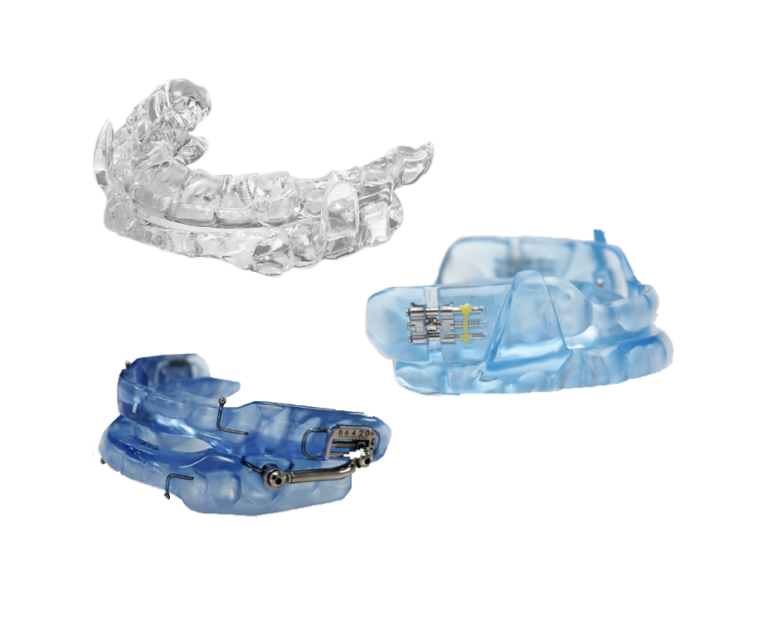
Oral appliances may not be comfortable enough to wear during sleep
I see many patients who have already tried oral appliances before they see me for a sleep apnea surgery evaluation. The most common issue I see is that oral appliances may not be comfortable for patients to wear during sleep all night, every night. Just as is true for positive airway pressure (such as CPAP), oral appliances must be worn during sleep without disrupting sleep in order for them to be effective. I will point out that one advantage of sleep apnea surgery is that patients do not have to use any decies
Simple oral appliances are available through the Internet, with some options having the ability for customization similar to mouthpieces worn during contact sports. However, custom-fabricated appliances (available through dentists and some sleep surgeons) have the advantages of being smaller and providing more flexibility in adjustment. These capabilities offer greater comfort for patients, but they still have not overcome this important barrier to effective treatment of sleep apnea with oral appliances. Again, patients who do not tolerate them well should consider options, including sleep apnea surgery.
Oral appliances may not improve snoring or sleep apnea enough, even when they are used
Just as we do after sleep apnea surgery, treatment with oral appliances must be examined with a sleep study. Typically, we allow a patient to become comfortable with the appliance and then achieve the full amount of advancement of their lower jaw that they can tolerate. Once they have reached stable usage with a set amount of lower jaw advancement, I will order the post-treatment sleep study. Studies indicate that oral appliances often improve sleep apnea but may not eliminate it entirely (to be fair, this is something we see with sleep apnea surgery too). Often, substantial improvement is all a patient needs, as a perfect result is not required (again, similar to sleep apnea surgery). However, patients with persistent sleep apnea who are still experiencing issues may become candidates for sleep apnea surgery that we can even combine with use of the oral appliance.
What do we do when oral appliances do not provide enough improvement is the same philosopy we use whenever we have to consider CPAP alternatives, whether an oral appliance or sleep apnea surgery. The approach we use for treating obstructive sleep apnea with sleep apnea surgery or oral appliances is to evaluate the pattern of upper airway obstruction to choose the right sleep apnea surgery. The drug-induced sleep endoscopy evaluation procedure is designed to evaluate the pattern of blockage, but sometimes we just rely on office evaluation and existing research. Oral appliances typically treat what I call here the Tongue Region, and one reason that patients may still have snoring or obstructive sleep apnea, in spite of using an oral appliance, is because of blockage in the Palate Region.
I commonly use drug-induced sleep endoscopy to evaluate what procedures might be combined with an oral appliance. We do not perform drug-induced sleep endoscopy with the oral appliance in place, but we do move the lower jaw forward to simulate how the oral appliance opens the airway. Studies have shown that this maneuver can predict outcomes of an oral appliance as a stand-alone treatment for obstructive sleep apnea. I use drug-induced sleep endoscopy with this maneuver to evaluate where the oral appliance may not work well enough and how a sleep apnea surgery can combine with an oral appliance to achieve results.
Don’t overlook the risks of sleep apnea surgery
Snoring and sleep apnea surgery has potential risks and side effects. As a sleep surgeon writing this post, I want to reiterate that there are important risks and side effects to consider before rushing into sleep apnea surgery. In fact, a previous blog post cited the research I have done showing that the risk of serious medical complication after sleep apnea surgery is 1.6%, mainly in those with major medical problems before sleep apnea surgery. The goal of a surgeon and their team is to minimize those risks and discuss them with patients, who can weigh the benefits and risks of sleep apnea surgery. A key part of that discussion is having quality knowledge of sleep apnea surgery risks so that a discussion about sleep apnea surgery can be based on accurate information.
Oral appliances for snoring or sleep apnea have important risks too
Risks and side effects of oral appliances are not life-threatening but can be important. The most likely side effects of oral appliances are drooling, temporomandibular disturbances (muscular or related to the joint–also known as the TMJ), tooth pain, and movements of the teeth that can change a person’s bite. Tooth movements occur with oral appliances because the forces applied to the teeth, while not excessive, are applied for long periods of time while patients sleep. The evaluation for an oral appliance includes an examination of dental health, as patients with poor dental health may be unable to start oral appliance treatment or more likely to ex
The December 2014 issue of the Journal of Clinical Sleep Medicine included what is now the most thorough study of the long-term risks of tooth movements with oral appliances. Based on previous, limited studies, it has been felt that most of these occur in the first 2 years and then never worsen. This study shows that the tooth movements continue far beyond the first 2 years of use. Alan Lowe, DMD, PhD and Fernanda Almeida, DDS, MSc, PhD at the University of British Columbia in Vancouver, Canada, are some of the world’s true experts in the use of oral appliances to treat snoring and sleep apnea. They had been using oral appliances for decades. When their patients wore out their oral appliance and needed a new one, they took impressions of the teeth and have saved them. Because they are such a busy center, they had a group of 77 patients with an average length of followup of 11 years. By making various measurements of the teeth from these casts, including in the same patients over time, they were able to measure the tooth movements that occur over time. They found the following:
- Most patients experience movements of the teeth, with continued movement over time.
- There were many types of tooth movements, ranging from pulling the upper teeth backwards to pushing the lower teeth forward to spreading out the teeth of the lower jaw (widening the arch of the teeth) to opening up spaces between the molars (potentially making chewing less effective).
- These changes were greater than previous studies had suggested, likely because those studies had not followed people over time as closely.
Because oral appliances should be worn throughout the night, every night, this study suggests that these tooth movements will be more likely to occur with greater use over time.
The Bottom Line: Oral Appliances Have Risks, Just Like All Treatments
Oral appliances for snoring or sleep apnea are still a good treatment option for some patients. However, just as with sleep apnea surgery, it is important to discuss the risks and benefits fully with patients. Many patients will gladly accept these tooth movements for the chance to improve their snoring or sleep apnea. However, for oral appliances to work, they should be worn throughout the night, every night, just like CPAP. This study suggests that these tooth movements are more likely to occur with greater use of the oral appliance.
What Should I Do if I Am Having Side Effects?
If you are experiencing these side effects or experiencing other challenges, you should speak with your dentist, ideally the dentist who provided you with your oral appliance. You may want to consider snoring or sleep apnea surgery, and the first step is a detailed discussion with a sleep surgeon who can discuss the snoring and sleep apnea surgery options that might be right for you. Learn more about scheduling an in-person visit with me to discuss snoring and sleep apnea surgery. If you live a distance from my office, we can schedule a telehealth video consultation to discuss options, whether or not you decide to come to Southern California for snoring or sleep apnea surgery with me.
 Santa Monica Office
 Beverly Hills Office



+ 68 = 74